Posted on 23/10/2026
Managing cemetery flowers in Hackney Council burial grounds: a practical, respectful guide
If you are managing cemetery flowers in Hackney Council burial grounds, the job is usually more delicate than people expect. It is not just about placing a bouquet and hoping it lasts. It is about respect, timing, weather, memorial etiquette, and making sure the flowers remain tidy and appropriate for the setting. In a busy London borough, that can mean dealing with everything from sudden rain to tired stems to arrangements that need a gentler touch than a garden vase would ever require.
This guide walks through what the process looks like, why it matters, and how to do it well without overcomplicating things. Whether you are arranging flowers for a graveside visit, choosing a tribute for a burial plot, or simply trying to keep a memorial looking cared for, you will find practical advice here. Truth be told, the best results usually come from simple habits done consistently.
We will also look at flower choice, maintenance, seasonal issues, common mistakes, and the kind of best practice that helps a tribute stay dignified for longer. And yes, there are a few small details that make a surprisingly big difference.
Why Managing cemetery flowers in Hackney Council burial grounds Matters
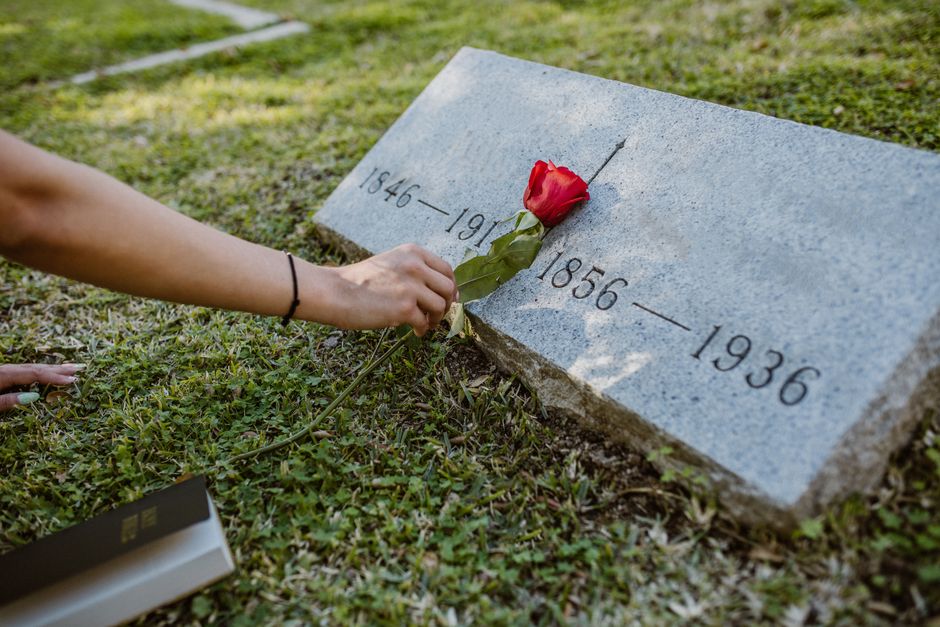
Flowers at a graveside do more than decorate a plot. They express remembrance, grief, love, faith, and family connection. In Hackney Council burial grounds, that emotional role matters even more because the setting is shared, public, and cared for by a wider community of visitors. A well-managed floral tribute feels calm and respectful. A neglected one can quickly become untidy, overcrowded, or difficult for cemetery staff and other families to navigate.
There is also a practical side. Weather, wind, foot traffic, pests, and the simple passage of time all affect how flowers look and how long they last. A posy left in a flimsy holder may look lovely in the morning and soggy by afternoon. A tribute with the wrong stems may collapse before the week is out. You probably do not want that, especially at a moment when emotions are already heavy.
Good flower management also helps prevent avoidable issues around litter, blocked pathways, and items that become unsafe or invasive if left too long. Nobody wants to be the person whose bouquet slowly turns into an impromptu compost heap. Not ideal, to say the least.
In practical terms, caring for cemetery flowers well means balancing three things:
- Respect for the person being remembered.
- Durability so the tribute remains presentable for as long as needed.
- Compliance with local expectations about what can be placed, where, and for how long.
That balance is the real heart of the matter. Get it right, and the memorial feels lovingly maintained rather than constantly repaired.
How Managing cemetery flowers in Hackney Council burial grounds Works
At its simplest, the process starts with choosing the right tribute for the right location and season. But the workflow is broader than that. You need to think about the type of memorial, the burial ground layout, the time of year, and how often you can return to refresh the flowers. In many cases, a neat, low arrangement is better than something tall or overfull.
Most families and florists approach the task in stages:
- Choose the tribute type. This might be a bouquet, posy, wreath, spray, heart, cross, basket, or a simple vase arrangement.
- Select flowers that suit the setting. Sturdy flowers tend to perform better outdoors or in cooler conditions.
- Check memorial and burial ground guidance. Rules can vary by site, and some placements may be restricted for safety or maintenance reasons.
- Plan for weather and timing. Hot days, frosty mornings, and rainy spells all affect freshness.
- Maintain or replace as needed. That may mean trimming stems, topping up water, or removing faded blooms.
In a real-world sense, the job is often a small rhythm rather than a one-off task. You place flowers, revisit them, then decide whether to refresh, simplify, or remove them. That rhythm is especially helpful when the burial ground is visited regularly by family members. It keeps the memorial looking cared for without becoming cluttered.
Florists who understand sympathy work usually think about structure as much as beauty. For example, a low, compact arrangement often holds together better than loose, airy stems in exposed ground. If you are looking for suitable tribute styles, the funeral flower collection can be a useful place to start, while more general arrangements such as sympathy flowers may suit remembrance visits and quieter family occasions.
And if you need something delivered promptly for a cemetery visit, options such as same-day flower delivery in Hackney E5 or next-day flower delivery in Hackney E5 can be helpful when timing is tight.
Key Benefits and Practical Advantages
Managing cemetery flowers properly is not just about appearance. It makes the whole memorial experience easier, calmer, and more dignified. That sounds obvious, but in practice it saves families a lot of stress.
Here are the main benefits:
- Longer-lasting tributes: The right flowers and the right care mean fewer wilted stems and less waste.
- Cleaner memorial spaces: Neat arrangements reduce mess and help keep the burial ground looking orderly.
- Less emotional frustration: When flowers stay fresh, you are not constantly dealing with a tribute that looks tired or overlooked.
- Better seasonal resilience: Some flowers cope far better with cold snaps, showers, and direct sun.
- More suitable presentation: Low, tidy arrangements usually feel more respectful in shared memorial spaces.
There is a quieter benefit too: well-managed flowers can make visits feel more peaceful. You arrive, see that the tribute still looks cared for, and that can matter more than people expect. A small thing, perhaps. But small things carry weight in grief.
For families who want a softer, more traditional look, white and pastel flowers often work well. For a more personal or symbolic tribute, seasonal colour choices can be meaningful too. The key is to keep the overall presentation thoughtful rather than crowded. In shared burial grounds, restraint is often the kindest choice.
Who This Is For and When It Makes Sense
This topic matters to a surprisingly wide group of people. If you are a family member arranging a graveside tribute, a florist preparing a memorial arrangement, or someone responsible for visiting and maintaining a relative's grave, the same basic principles apply. The details may differ, but the aim is the same: keep the tribute respectful and appropriate for the burial ground.
It makes sense to think carefully about cemetery flowers when:
- You are arranging flowers for a burial, anniversary, memorial service, or regular graveside visit.
- You want a tribute that lasts longer in changing weather.
- You need to avoid arrangements that are too large, too fragile, or too hard to maintain.
- You are choosing flowers for a plot that is visited often and should always look neat.
- You are unsure what type of memorial flowers fit a council-managed burial ground.
It is also relevant when family members live far apart. Someone may order and send flowers from elsewhere, then another relative checks the grave later. That kind of arrangement happens all the time. One person orders, another person visits, and the flower choice needs to work for both. A practical system helps everyone.
If the memorial is tied to a funeral or burial service, a sympathy arrangement may be more suitable than a decorative bouquet. If it is a recurring visit, sturdier styles like wreaths, sprays, and basket arrangements can be easier to maintain. The setting matters. So does the family preference. It's a bit of a balancing act, really.
Step-by-Step Guidance
If you want the process to feel manageable, break it down. That is usually the best way. Here is a practical approach to managing cemetery flowers in a Hackney burial ground without getting lost in the details.
1. Start with the purpose of the tribute
Ask what the flowers are for. Is this for a burial service, a birthday remembrance, a religious observance, a seasonal visit, or an ongoing memorial? The purpose shapes everything else. A one-day service tribute can be more formal and symbolic. A regular grave visit calls for something more durable.
2. Choose a suitable flower style
Different arrangements suit different needs. A wreath can read as formal and timeless. A posy is smaller and easier to place. A spray works well for graveside display. A basket can stay neat if there is room. If you are not sure, a florist can steer you toward something that will hold up better outdoors.
For a more classic sympathy look, consider options from the tributes range, or something more compact such as baskets and posies. If you want a traditional grave-side tribute, wreaths and sprays are often practical starting points.
3. Think about flower choice and durability
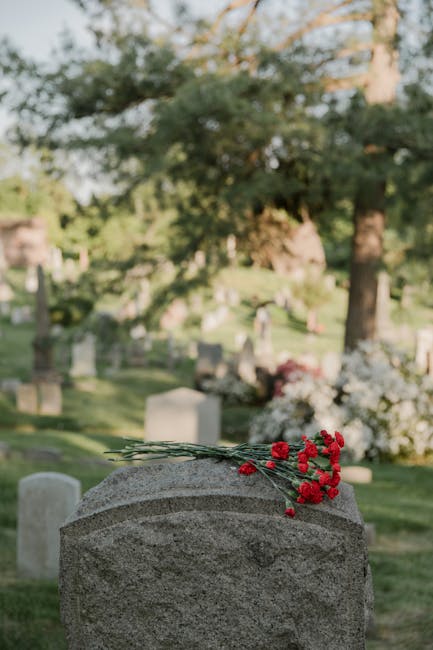
Not all flowers behave the same outdoors. Some wilt quickly in warmth, some bruise easily, and some hold shape very well. Sturdy choices often include carnations, chrysanthemums, roses, lilies, alstroemeria, and mixed seasonal blooms. The exact mix depends on the look you want and the conditions on the day.
If you want to understand which stems tend to hold up best, it helps to look at the care notes for similar arrangements. The general flower care guidance is useful here, even if cemetery flowers need a slightly different level of attention than a vase at home.
4. Check the burial ground setting
Some plots are more exposed to wind. Some are shaded. Some have limited space around the memorial. These details affect flower choice. A tall arrangement may look elegant for five minutes and then topple in a gust. Not much good. A lower arrangement with a sturdy base is often better in exposed spots.
5. Prepare for weather
London weather can be all over the place. A cool morning can turn into a mild afternoon, then rain can arrive just when you least need it. If the tribute is likely to sit outdoors for several days, choose flowers and packaging that cope with damp, sun, and temperature shifts.
6. Place the flowers carefully
Set the tribute where it is stable, visible, and respectful of access routes. Avoid blocking pathways or placing items where they will be knocked or blown around. If the site has specific placement guidance, follow that rather than improvising. It is usually simpler to work with the layout than against it.
7. Return to refresh or remove them
Faded blooms should be removed before the arrangement starts looking tired. Sometimes this means a light tidy-up. Sometimes it means replacing the whole tribute. There is no magic trick here. Just a decent routine and a willingness to act before the flowers cross the line from moving to messy.
8. Keep the memorial simple if needed
Less can be more. If a plot already has a permanent marker or other items, the flowers should complement rather than crowd the space. A single well-chosen tribute often has more dignity than a pile of mismatched ones.
Expert Tips for Better Results
After years of seeing what works and what doesn't, a few patterns become obvious. The best cemetery flowers are usually not the most elaborate. They are the most suitable.
- Choose compact designs for outdoor memorials. Low arrangements are less likely to fall over and easier to keep neat.
- Match the flowers to the season. Seasonal flowers tend to last better and feel more natural.
- Use darker or mixed foliage carefully. Green structure helps arrangements hold shape, but too much can make a tribute feel heavy.
- Keep the palette respectful. Soft whites, creams, pinks, purples, and muted reds are common for memorial work.
- Plan for the person, not just the plot. A tribute that reflects the individual often feels more meaningful than one that merely looks "nice".
One small but useful tip: if you are ordering flowers remotely, choose something with a sturdy base and clear care instructions. A family member may be handling placement later in the day, and they may not have the time or energy to fuss with a tricky arrangement. Let's be honest, nobody wants to be rearranging ribbon and stems beside a burial plot in a drizzle.
Another practical habit is to keep tribute sizes consistent. If the memorial space is modest, do not keep switching between very large and very small designs. It creates a stop-start feel. Consistency makes the grave look cared for in a quiet, steady way.
And if you are comparing styles, it can help to use a florist that understands both general gifting and sympathy work. For example, a local florist page such as florist in Hackney E5 or flower shops in Hackney E5 may offer a better sense of local delivery and tribute suitability than a generic catalogue.
Common Mistakes to Avoid
Even thoughtful families run into the same few problems. Most of them are easy to avoid once you know what to watch for.
- Choosing flowers that are too delicate. Lightweight stems can flop quickly outdoors.
- Ignoring weather conditions. Heat, rain, and wind all shorten freshness.
- Overcrowding the memorial space. Too many tributes can make the plot feel cluttered rather than cared for.
- Forgetting maintenance. A tribute that is never checked will eventually look neglected, however lovely it started out.
- Using containers that are unstable. Thin or top-heavy holders can tip over easily.
- Not checking local expectations. Burial grounds can have practical rules about placement and upkeep.
Another mistake is selecting flowers purely because they are beautiful in a shop photo. A bouquet can look gorgeous on screen and still be wrong for a windy grave plot. A funeral arrangement is not the same as a dining table centerpiece. Small distinction, big difference.
There is also the emotional mistake of keeping faded flowers too long because removing them feels somehow final. That feeling is real. But removing old flowers is often part of caring well, not a sign of forgetting. In fact, it can be a quiet act of respect.
Tools, Resources and Recommendations
You do not need a lot of equipment to manage cemetery flowers well, but a few simple tools make the job easier and cleaner.
- Clean scissors or floral snips for trimming stems.
- A small bucket or container to carry water if needed.
- Soft wipes or a cloth to clean leaves, vase edges, or condensation.
- Light gloves if you are handling thorny stems or damp foliage.
- Notes or reminders for checking the tribute after a few days.
In terms of arrangements, it helps to choose products that are already suited to memorial use. For example, sympathy-focused designs like sympathy flowers or sympathy flowers collection can be easier to adapt for burial-ground use than loose general bouquets. If you need something more formal, sprays and wreaths are often dependable choices.
If the tribute is part of a memorial event, the flowers may also need to coordinate with cards or written messages. A simple message can mean a great deal. Sometimes less is enough. Quite often, actually.
For practical ordering, it can help to understand delivery timing and guarantees before you buy. The site's pages on delivery, guarantees, and payment give useful background for anyone arranging flowers to a deadline.
Law, Compliance, Standards, or Best Practice
When managing cemetery flowers in council burial grounds, the most sensible approach is to follow local site rules and general memorial best practice. Specific procedures can differ by location, and burial ground guidance may change over time, so it is wise to check the current expectations for the site you are visiting.
In general, the following principles are worth keeping in mind:
- Respect shared space. Avoid blocking walkways, neighbouring plots, or access for maintenance.
- Keep arrangements safe and tidy. Loose wires, unstable holders, and overhanging stems can create problems.
- Remove faded items promptly. This helps maintain a cared-for environment and reduces waste.
- Observe any local restrictions. Councils may set expectations around what can be placed and where.
- Use appropriate materials. Durable, non-hazardous containers are usually better than fragile or overly decorative ones.
It is also best practice to think about accessibility. A grave that is easy to visit and maintain is far more manageable than one surrounded by oversized arrangements. That matters for elderly relatives, carers, and anyone visiting in poor weather. A thoughtful tribute should not become a practical obstacle.
If you are ordering from a florist, clear communication helps. Say whether the flowers are for a burial, a memorial visit, or a graveside anniversary. Mention if the arrangement needs to last several days. That simple context can change the design quite a lot.
And if you want reassurance about the business side of ordering, the site's terms and conditions and returns and refund policy are worth reviewing before placing a timed order.
Options, Methods, or Comparison Table
Different tribute styles suit different needs. Here is a simple comparison to help you decide what is likely to work best in a burial ground setting.
| Flower style | Best for | Strengths | Things to watch |
|---|---|---|---|
| Posy | Small graveside visits, discreet tributes | Compact, tidy, easy to place | May not last as long if using delicate blooms |
| Wreath | Formal memorials and remembrance dates | Strong shape, traditional look | Can look bulky if the plot space is limited |
| Spray | Funerals and burial services | Elegant, appropriate for casket-side use | Needs careful handling in bad weather |
| Basket | Longer visits, family memorials | Stable, visually warm, easy to carry | Can dry out if not refreshed |
| Vase arrangement | Regular grave care, simple presentation | Easy to water, neat in small spaces | Requires a stable vase and regular checking |
If you are unsure which method suits the burial ground best, start with a smaller, sturdier arrangement. Then see how it performs over a few days. That is often the most honest test. Fancy is one thing; surviving a windy afternoon is another.
Case Study or Real-World Example
Here is a realistic example. A family wanted to place flowers at a grave in Hackney ahead of a Sunday visit. They were torn between a large, decorative bouquet and a lower sympathy arrangement. The grave itself was in an exposed part of the burial ground, with a bit of wind and not much shelter. They also knew they would not be able to return for several days.
They chose a compact tribute with mixed white and soft pink blooms, a sturdy base, and simple greenery. It looked elegant on arrival, but more importantly it stayed upright through the weekend. When they returned, the flowers were still presentable, with only a few stems needing trimming. No drama. No awkward collapsing bouquet. Just a quiet memorial that held its shape.
That kind of decision often makes the biggest difference. The family had not chosen the most elaborate option. They had chosen the one that suited the setting. And that is usually the smartest move.
If you are arranging something similar, a tribute from the sympathy florist choice range or a calm, traditional design such as serenity spray can be a sensible option. When the location is exposed, a dependable structure often matters more than a highly intricate design.
Practical Checklist
Use this checklist before placing or ordering cemetery flowers for a Hackney burial ground.
- Confirm the purpose of the tribute: burial, anniversary, remembrance, or regular visit.
- Check whether the plot has space for a low or larger arrangement.
- Choose flowers that can cope with weather and time outdoors.
- Prefer sturdy containers and secure bases.
- Keep the arrangement neat and proportional to the memorial.
- Make sure the flowers do not block access paths or neighbouring plots.
- Plan when the tribute will be refreshed or removed.
- Use a florist or product line that understands sympathy and memorial work.
- Review delivery timing if the flowers are needed for a specific date.
- Keep the overall style respectful, simple, and easy to maintain.
Quick takeaway: the best cemetery flowers are the ones that suit the site, the season, and the family's needs. Simple, sturdy, and respectful usually wins out over flashy every time.
For those comparing local delivery options, it can also help to look at broader flower services like flower delivery in Hackney E5 or send flowers in Hackney E5 if you want to coordinate the tribute with family visits, a service, or a memorial date. A clear delivery plan saves a lot of last-minute stress, honestly.
Conclusion
Managing cemetery flowers in Hackney Council burial grounds is really about thoughtful upkeep. You are balancing beauty with practicality, and emotion with everyday care. That means choosing the right flowers, understanding the space, and keeping the tribute fresh enough to feel respectful without becoming a burden.
Small choices matter here. A better flower variety. A sturdier base. A calmer colour palette. A prompt tidy-up before the arrangement fades. None of it is glamorous. But all of it helps a memorial feel cared for, and that is what families usually want most.
If you approach the process with patience and a bit of common sense, you will usually get a result that feels dignified, personal, and right for the setting. And that, really, is enough.
Get a free quote today and see how much you can save.
Frequently Asked Questions
What are the best flowers for cemetery arrangements in Hackney?
Sturdy flowers such as roses, carnations, chrysanthemums, lilies, and alstroemeria often work well because they hold up better outdoors and keep their shape longer.
How long do cemetery flowers usually last?
It depends on the weather, the flower type, and how they are arranged. A well-chosen tribute can stay presentable for several days, sometimes longer, but hot or wet conditions shorten that window.
Should cemetery flowers be in a vase or a wreath?
Both can work. Vases suit simple, regular visits, while wreaths often feel more formal and traditional. The right choice depends on the memorial space and the occasion.
Can I leave flowers at a grave in a council burial ground?
In many cases, yes, but placement should follow the burial ground's local expectations. Keep tributes tidy, safe, and appropriate for the space.
What is the most respectful colour for memorial flowers?
There is no single rule, but whites, creams, soft pinks, purples, and gentle mixed tones are commonly chosen because they feel calm and dignified.
How do I stop cemetery flowers blowing over?
Choose a low arrangement with a stable base, avoid tall loose stems, and keep the tribute proportional to the spot. Windy areas need especially secure designs.
Are sympathy flowers the same as funeral flowers?
They overlap, but not exactly. Funeral flowers are usually designed for the service itself, while sympathy flowers may be sent to the home or placed later as a memorial tribute.
How often should I replace flowers at a grave?
That depends on the arrangement and the season. Some families replace them weekly, others less often. The main point is to refresh them before they become faded or untidy.
Can I order flowers for cemetery delivery in Hackney?
Yes, you can arrange local delivery to suit a memorial visit or burial date. It is wise to check timing carefully so the tribute arrives when it is needed.
What kind of arrangement is easiest to maintain?
Compact posies, low sprays, and sturdy basket arrangements are usually easiest to manage because they are less likely to topple and easier to refresh.
Do I need to follow special rules for flowers in burial grounds?
Yes, you should always follow the burial ground's practical guidance. These sites are shared spaces, so rules about placement, size, and maintenance are there to keep them respectful and safe.
Where can I find suitable memorial flower options?
Look for sympathy-focused and funeral-focused arrangements, especially ones designed for graveside use. Styles such as sprays, wreaths, posies, and tribute arrangements are usually the most relevant starting points.


